Case study
Field activation · Rabat-Salé-Kénitra
MAAMORA CHALLENGE
A forest turned into a playable territory.
- Date
- 26.10.2025
- Location
- Parc Maamora
- Game window
- 2 H
01 — The brief
Activate a natural territory differently.
The Maamora Challenge is part of the Rabat enVie initiative. The Conseil Régional du Tourisme and the ONMT defined its concept, its objectives and its audience: young people, families and students, without closing the door on a wider public.
The aim was to open up the Maamora forest and the hinterland of the Rabat-Salé-Kénitra region — a territory away from the traditional tourist circuits — through a format that was engaging, physical and digital at once.
The park was not there to be scenery. Moving through the territory had to be part of the experience.
02 — The engine
HEX powered the game layer.
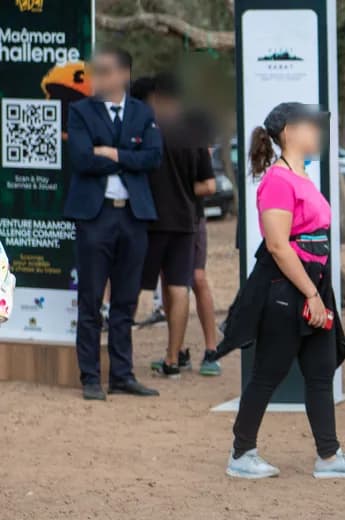
The signage installed in the park carried a QR code. Scanning it opened the game straight away on mobile web — nothing to install, nothing to download.
From there the HEX engine carried the digital layer of the experience: presenting the challenges, counting the points and ranking the participants.
HEX is a UPOUI product.
03 — Two hours to score
One window. One score. Nothing else.
The game opened on a two-hour window, with a single objective: collect the highest possible score before it closed.
Failing was part of playing. A missed challenge did not end the run — the participant moved on, found another one, and kept scoring.
Game window · 02:00:00
- Scan
- Move
- Try
- Solve
- Fail
- Continue
- Score
04 — The territory becomes the interface
The phone connected people to the place. It did not replace it.
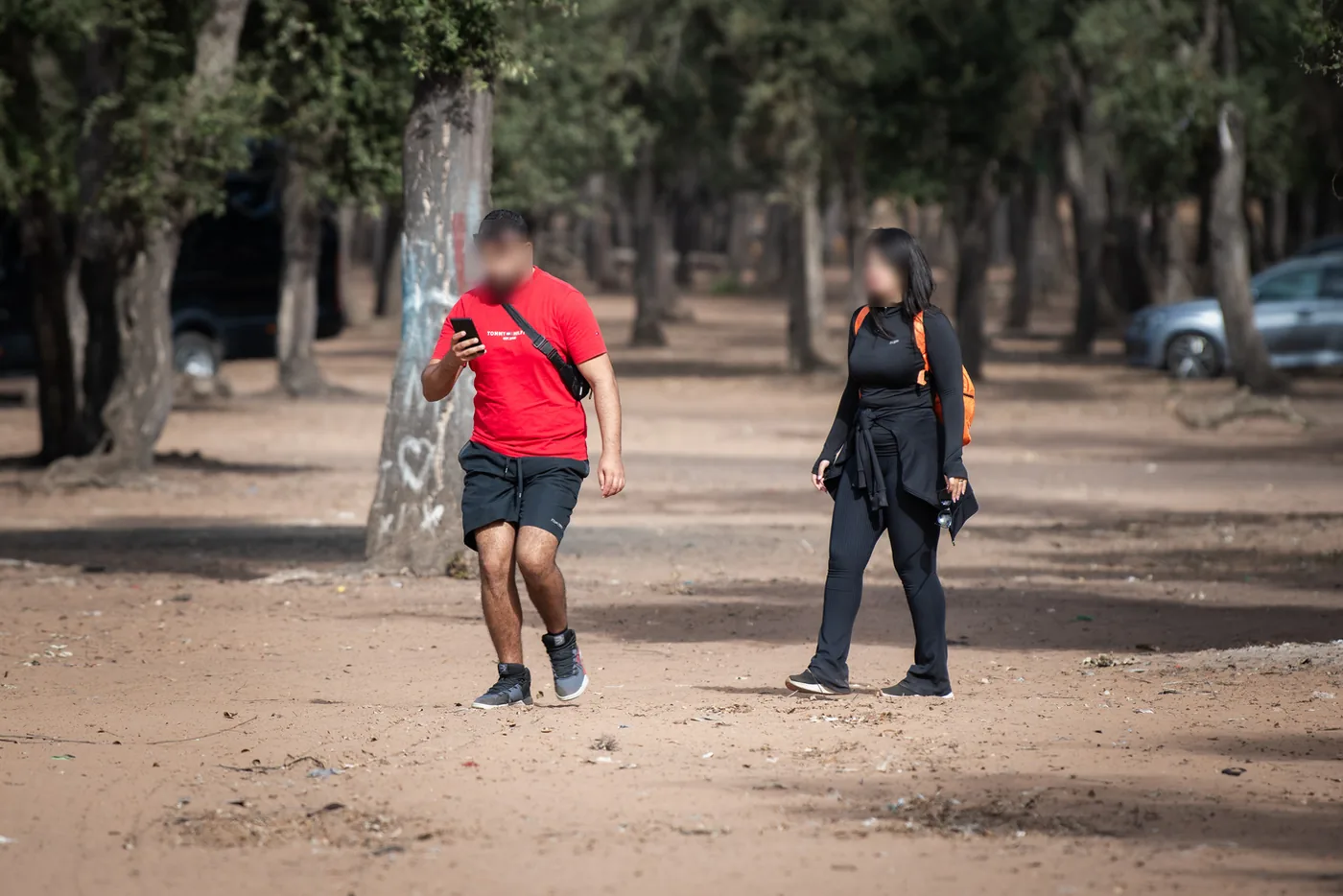
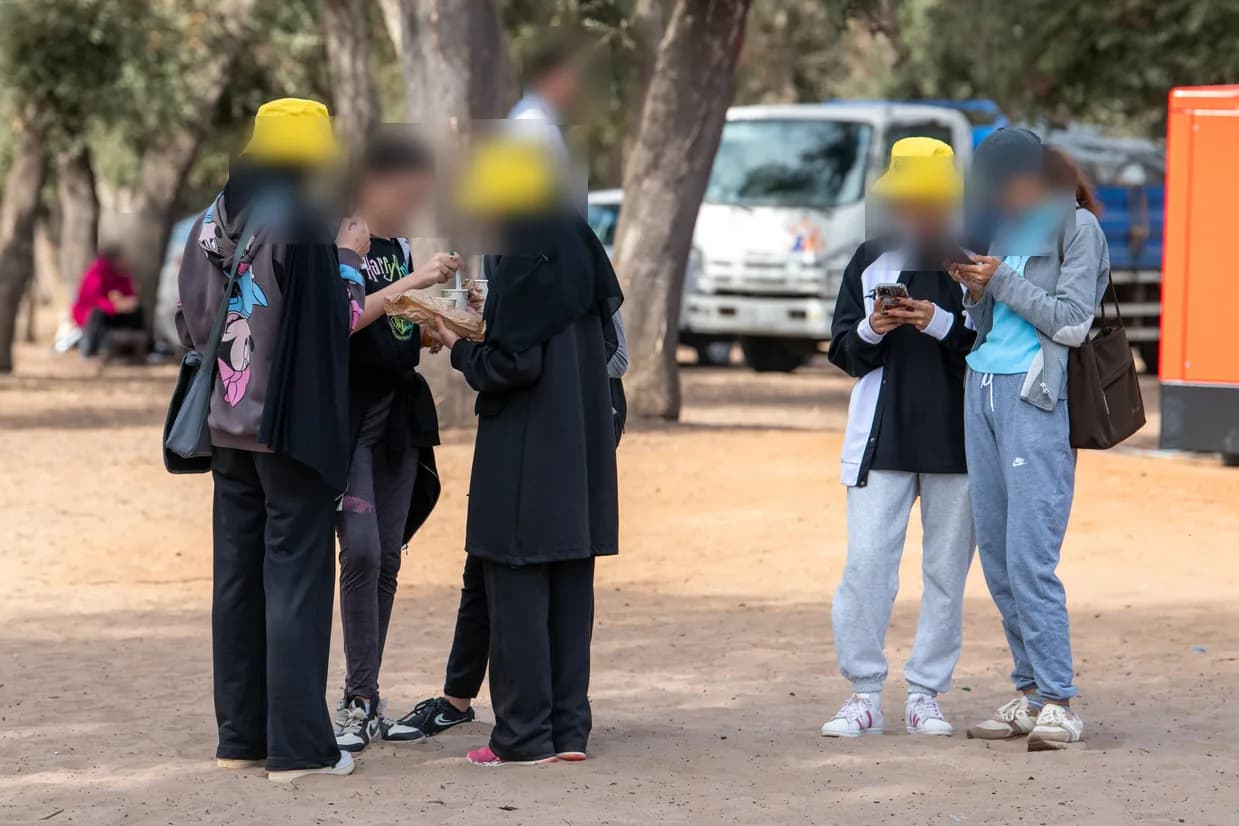
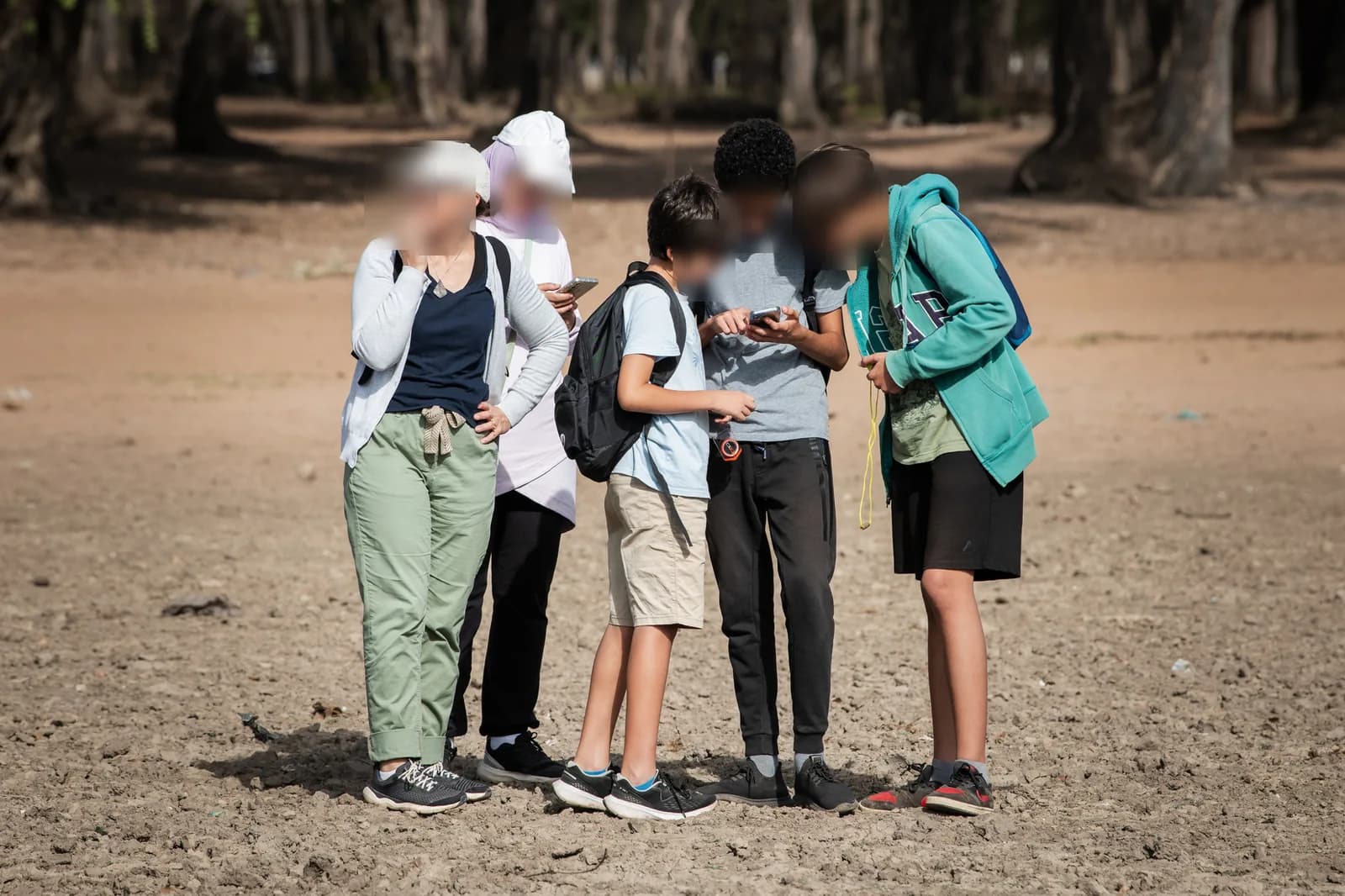
Participants were not sitting down, playing a game on a screen. The phone was the layer that connected them to the park.
They walked, ran, searched, navigated, solved and moved on — from one challenge point to the next, through the forest. The game could be played alone or in a group, at each participant’s own pace.
05 — The journey
From the first scan to the prize ceremony.
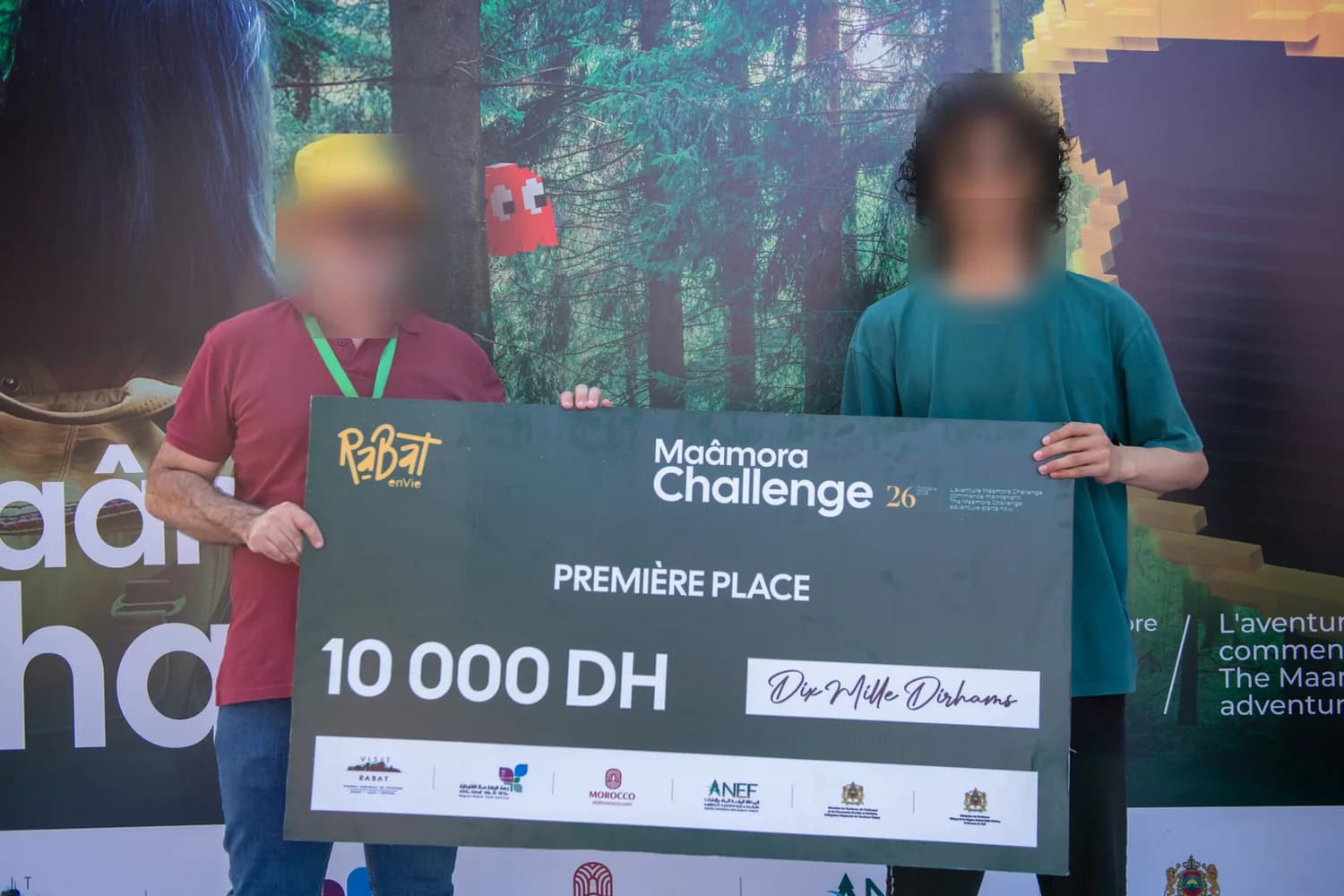
The loop stayed the same all day: scan, explore, take on a challenge, score, climb the ranking.
- 01Scan
- 02Explore
- 03Challenge
- 04Score
- 05Rank
- 06Reward
06 — White-label identity
The activation’s identity, not the engine’s.
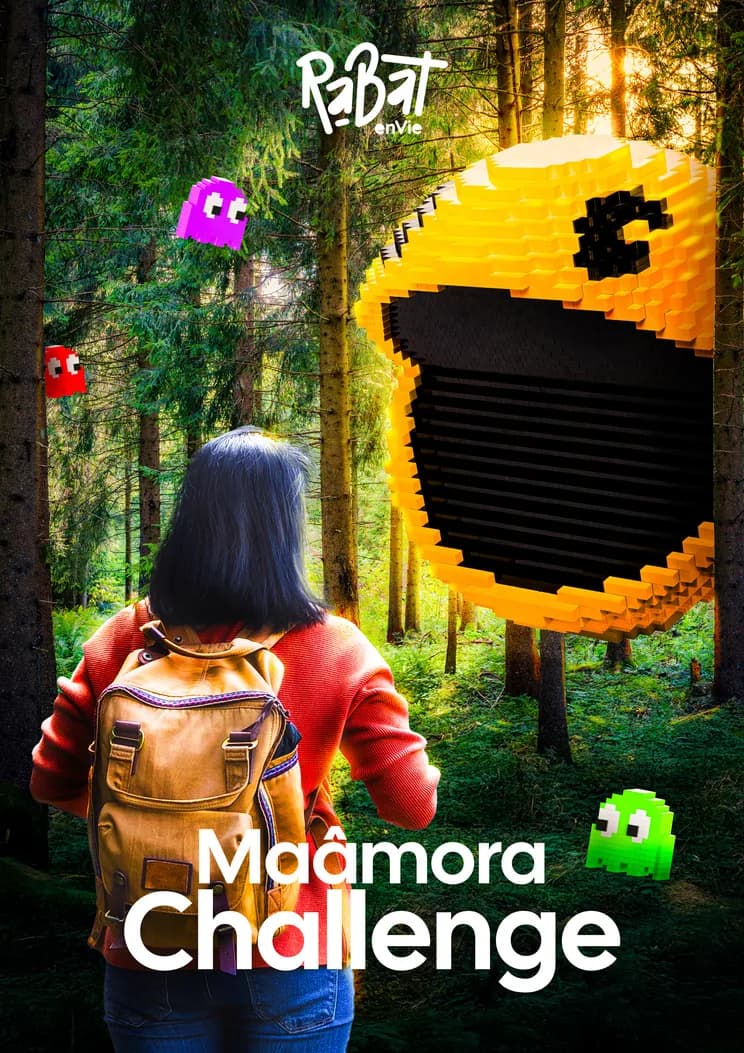
The Maamora Challenge had its own visual identity, built around a key visual that joined the language of retro gaming to the natural heritage of the forest.
It was deployed end to end: on social media before the event, then in the field — signage, orientation panels, activity zones and the welcome desk.
That is exactly what an experience layer has to allow: the engine runs, and what the public sees carries the name of the activation, not the name of the technology.
- Social media
- Signage
- Orientation
- Activity zones
- Welcome desk
The engine is HEX. The experience looks like Maamora.
07 — In the field
What the event actually put on the ground.
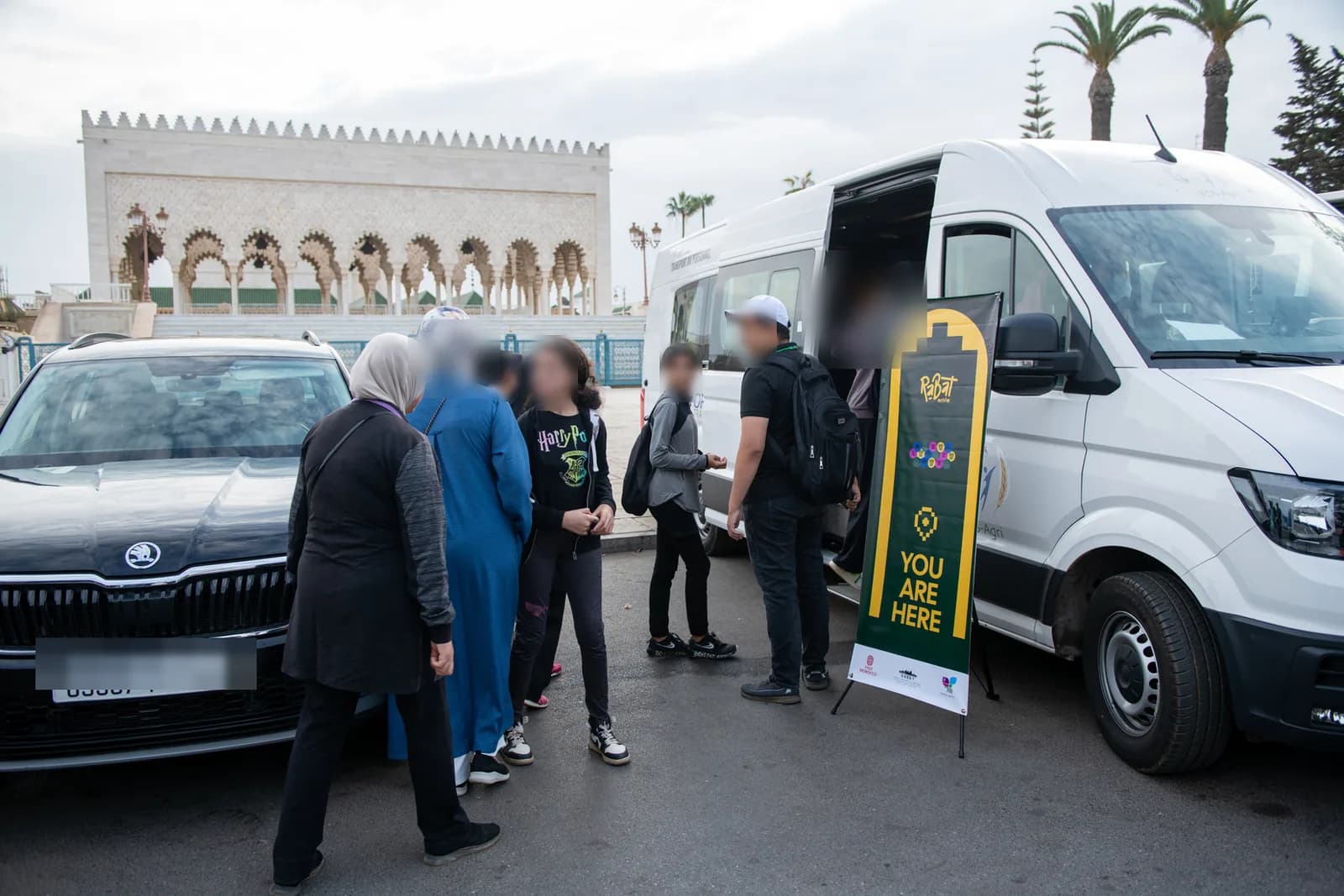
A group departure from the Mausoleum of Mohammed V, coaches and minibuses to the park and back. On site: a branded welcome desk, a flyer and a bucket hat for every participant, refreshment stands, rest areas, technical assistance points, a central stage for the results, and animators and staff at every step.
08 — What came out of it
The game held, and the feedback followed.
The interactive game and the score tracking ran smoothly, without interruption or major difficulty, across the whole day.
Feedback was gathered on the spot on video, then by email and message after the event. Participants singled out the originality of the format, how playful and immersive it was, and the quality of the organisation, the welcome and the route.
The audience brought together young people, students and families, from the region and from other cities.
09 — Possible next steps
Directions, not committed projects.
The event report identifies several avenues for future editions.
- Other sites across the region’s hinterland
- A wider set of participants
- More activities and challenges
- Additional mini-games
- Stronger signage and communication
Stakeholders
- HEX role
- Engine behind the game layer
- Stakeholders
- CRT · ONMT
- Initiative
- Rabat enVie
Roles as described in the event report.
Participants’ faces have been blurred in the published photographs.